Start with the marks
Nine times in ten the marks settle it. A lion passant, a Britannia figure, a 925 in an oval, or a Scottish thistle means the piece was tested and is solid silver. EPNS, EP, A1, “silver plate”, “hard soldered” or a set of pseudo-hallmarks with no lion means plated. Old Sheffield plate, made by fusing a sheet of silver to copper from the 1740s to the 1840s, is mostly unmarked or carries a maker’s symbol without a lion.
Read the hallmarks guide if the row of punches is unfamiliar. The remaining five tests are for pieces with worn, missing or ambiguous marks.
The magnet
Silver is not magnetic. Neither are copper, brass or nickel silver, which is what most plate is made on. So a magnet cannot prove a piece is silver, but a piece that grips a magnet is plated on steel or iron and can be set aside at once. Keep a small magnet in the drawer for this reason alone.
The colour of the wear
Look at the high points: the rim, the handle, the feet, the edges of a spoon bowl. On plate, the silver skin wears through and the base metal shows as a warm yellow or pink. On solid silver, wear shows as the same colour all the way down, and a scratch is silver underneath.
Old Sheffield plate has a tell of its own. Where two sheets meet at an edge, the copper shows as a fine pink line, and the inside of hollowware was tinned rather than silvered, so it reads grey rather than bright.
The seams and the edges
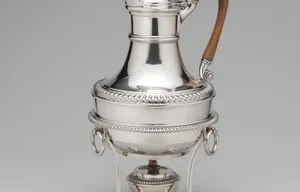
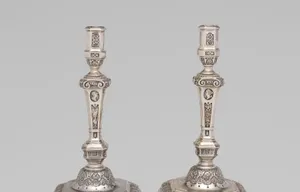
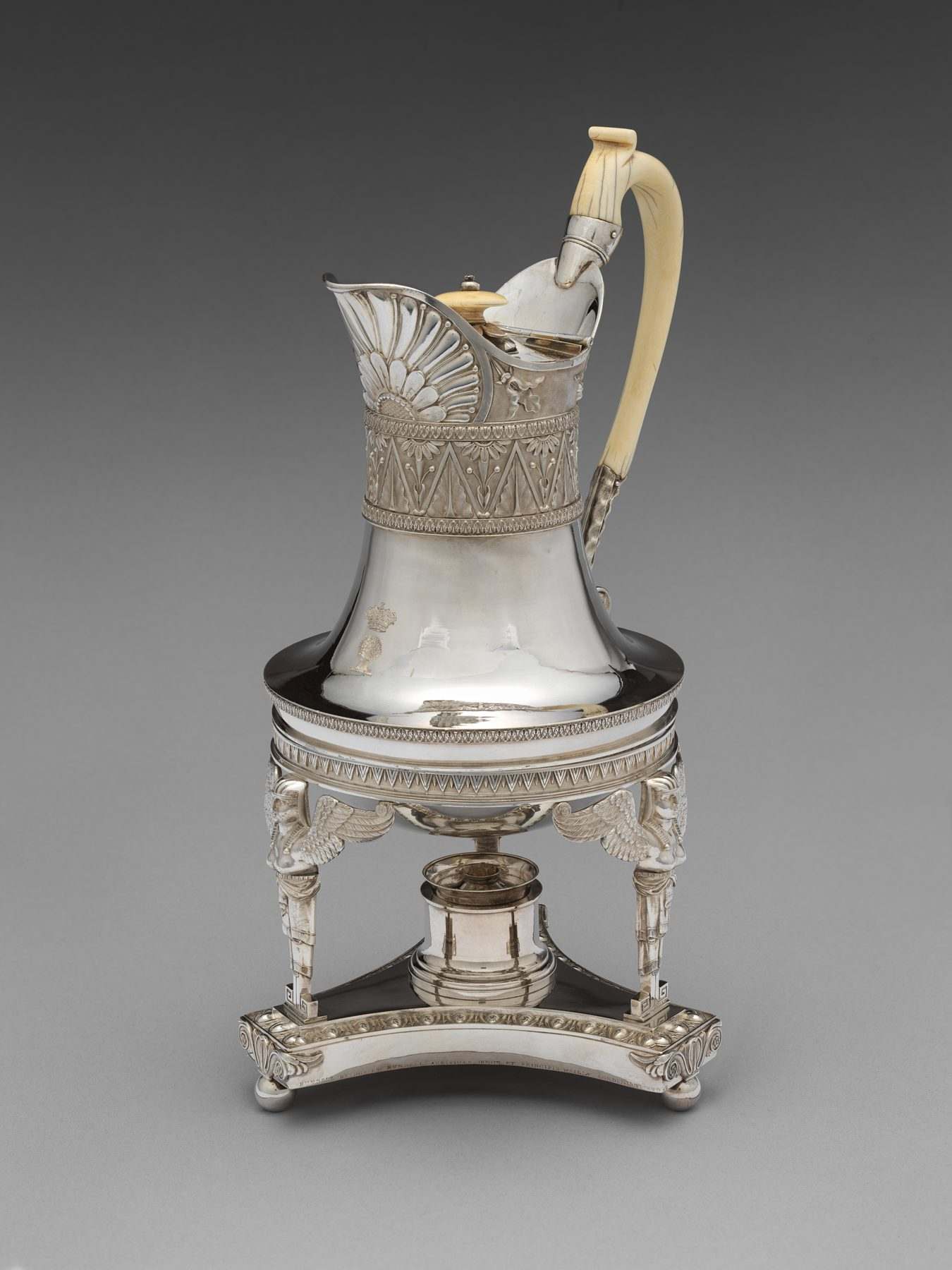
Plated pieces are stamped from sheet and assembled, so look for applied borders that hide a raw edge, and for a lip of silver folded over the rim. Solid pieces of quality have cast borders, feet and handles soldered on, and the underside is finished as carefully as the top. A plated piece is finished where it shows.
The ice test
Silver conducts heat better than any other common metal. Put an ice cube on the piece and another on a plated or steel object of similar size. The cube on silver melts visibly faster, and the metal beneath it feels cold at once. This is a rough test and will not separate sterling from a thick plate, but it separates silver from nickel or stainless steel reliably.
Weight and sound
Sterling hollowware feels dense for its size, and a tap with a fingernail gives a clear, sustained note. Plate on nickel silver sounds duller and shorter. Experience is needed to trust this one, and it is the least reliable of the six, which is why it comes last.
When to stop testing
If the marks are legible, stop after the first test. If they are not and the piece passes the magnet, wear, seam and ice tests, treat it as probably silver and weigh it. The scrap calculator gives the floor, and the price records show whether the object is worth more than its metal. Acid testing is the definitive answer for unmarked pieces, and a jeweller or auction house does it in a minute without harming the piece.