Start by sorting
Tip the tin out and sort into four piles: gold, silver, copper and bronze, and everything foreign or modern. The first pile is worth its weight at least. The second is worth its weight if it is old enough. The last two are where most of the volume sits and most of the disappointment.
Gold
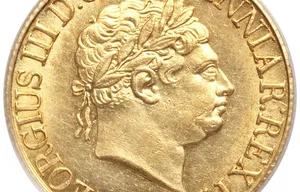
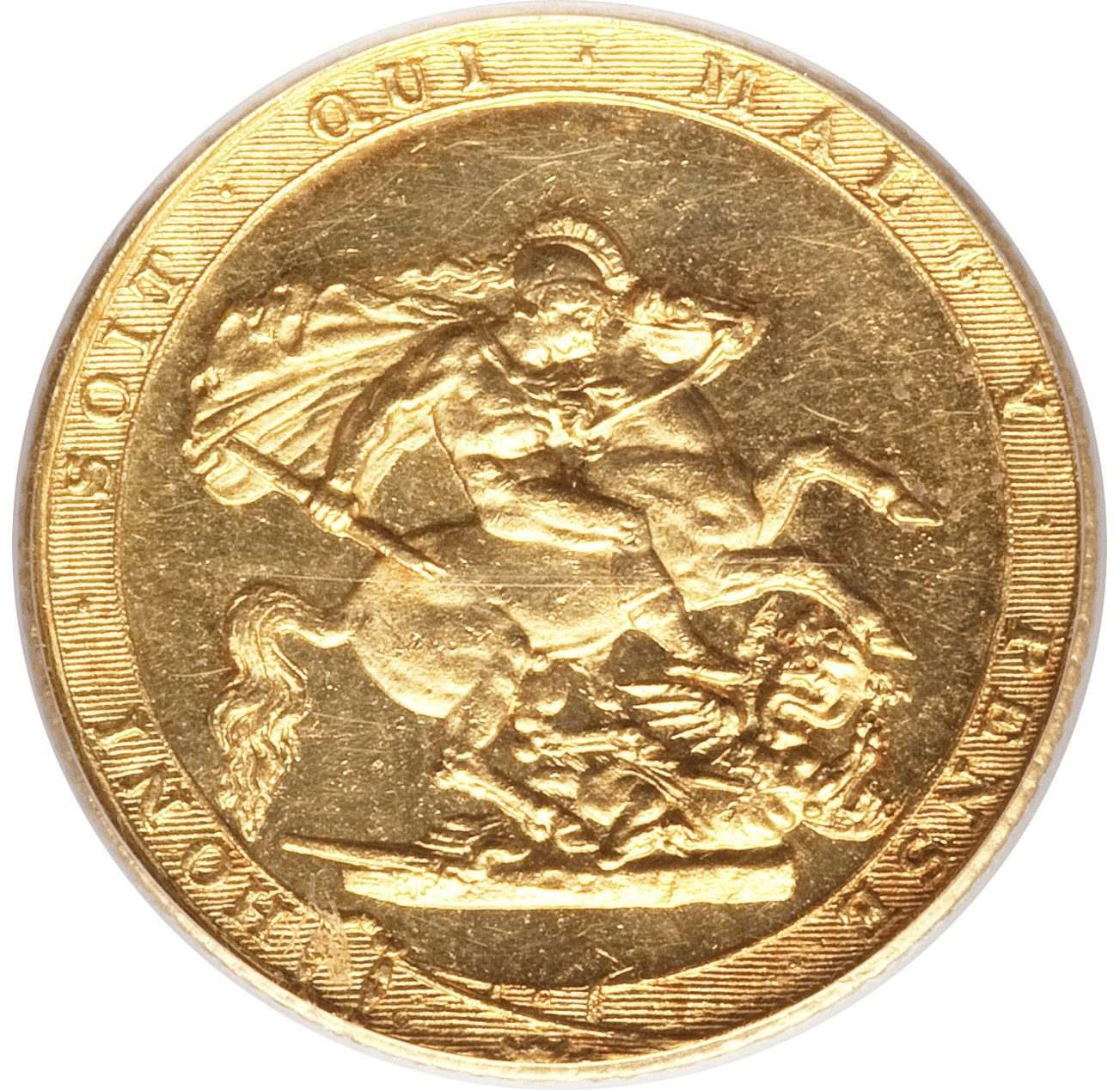
Sovereigns, half sovereigns, guineas and foreign gold coins carry their bullion value as a floor, and some dates and grades carry more. The sovereign guide covers it.
British silver: three dates to remember
British silver coins changed fineness twice in the twentieth century, and the dates decide whether a coin has metal value.
| Struck | Silver content | Metal value |
|---|---|---|
| Before 1920 | Sterling, 925 | Yes, at sterling weight |
| 1920 to 1946 | 500, half silver | Yes, at half the rate |
| 1947 onwards | None, cupronickel | No |
A pre-1947 half crown, florin, shilling, sixpence or threepence is worth its silver at minimum. Pre-1920 coins in fine condition, and any silver coin in uncirculated condition, are worth more to collectors than to the refiner. Crowns, the large five-shilling pieces, are collected by date; the 1935 Jubilee crown and the 1937 crown are common, and the Victorian crowns are worth checking.
Copper and bronze
Pennies, halfpennies and farthings from Victoria to Elizabeth II are the bulk of most tins and sell in bags. The exceptions are known: the 1933 penny, of which seven exist; the 1869 and 1875H pennies; and coins in genuinely uncirculated condition with full original lustre. Worn Victorian pennies are worth pence each.
Decimal coins and the change-hunting myth
Newspapers report “rare 50p sells for £1,000” and a tin of change gets checked with hope. The facts are narrower. The 2009 Kew Gardens 50p, with 210,000 struck, sells for £100 to £200 in good condition. A few 2011 Olympic 50p designs and the 2015 Battle of Britain uncrowned variety carry small premiums. Almost every other commemorative 50p and £2 coin was struck in millions and is worth face value, whatever the listing prices on auction sites suggest. Listing prices are not sales.
Foreign coins
Sort by metal. Silver dollars, francs, marks and rupees from before the 1960s have metal value. Gold has bullion value. Base-metal foreign coins are worth very little and sell by the kilo.
Hammered and ancient
Coins struck by hand before 1662, and Roman and Greek coins, are a separate field with their own experts. Anything found with a metal detector in England or Wales is subject to the Treasure Act and must be reported to the finds liaison officer, which is a legal duty rather than a choice.
Proof sets and Maundy money
Royal Mint proof sets in their cases sell for modest sums; the 1953 coronation set is common. Maundy sets, the tiny silver coins distributed by the monarch, are collected and worth checking by date.
What to do with the tin
Set aside gold, pre-1947 silver, anything uncirculated, and anything hammered or foreign silver. Weigh the copper and modern change and expect little. Then check the grading guide before anyone touches a coin with a cloth.